Learning Journey
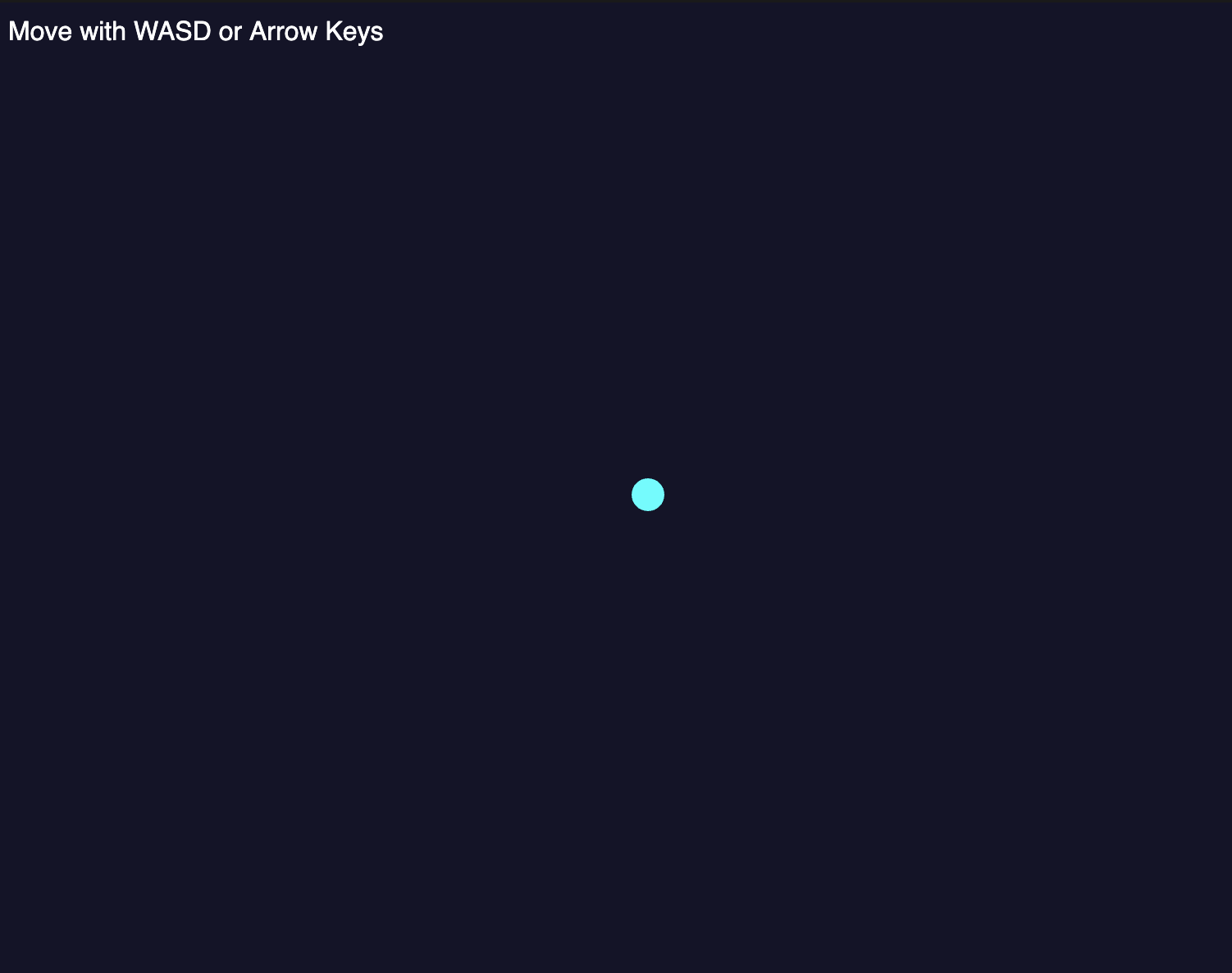
Game Basics & Movement
Students start their coding journey by creating a character they can control. They learn how games work under the hood and build the foundation for everything to come.
What They Learn:
- Variables & Objects - Storing game data like position and speed
- Game Loop - How games redraw 60 times per second
- User Input - Keyboard controls (WASD + Arrow keys)
- Coordinate System - Understanding X and Y positions
- Boundary Detection - Keeping the player on screen
Achievement: A playable character that moves smoothly and stays within bounds!
Enemies & Shooting System
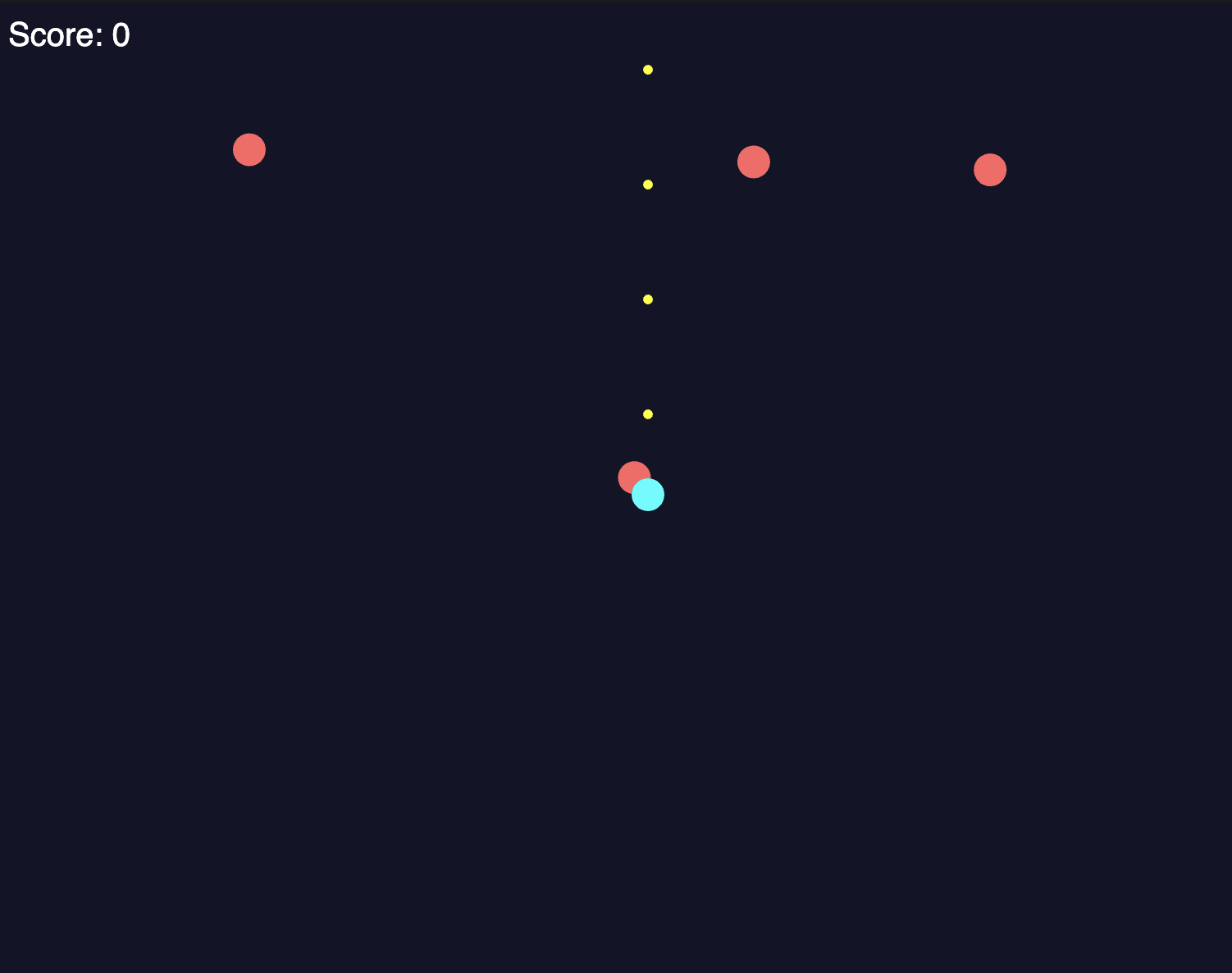
Things get exciting! Students add automatic shooting, spawning enemies, and collision detection. They see how arrays manage multiple game objects at once.
What They Learn:
- Arrays - Managing lists of bullets and enemies
- Collision Detection - Math to detect when objects touch
- Automatic Actions - Events based on time (frameCount)
- Game States - Start screen, playing, game over
- Score System - Tracking player achievement
- Object Lifecycle - Creating, updating, and removing objects
Achievement: A real survival game with enemies that chase you and bullets that destroy them!
Weapons, XP & Progression
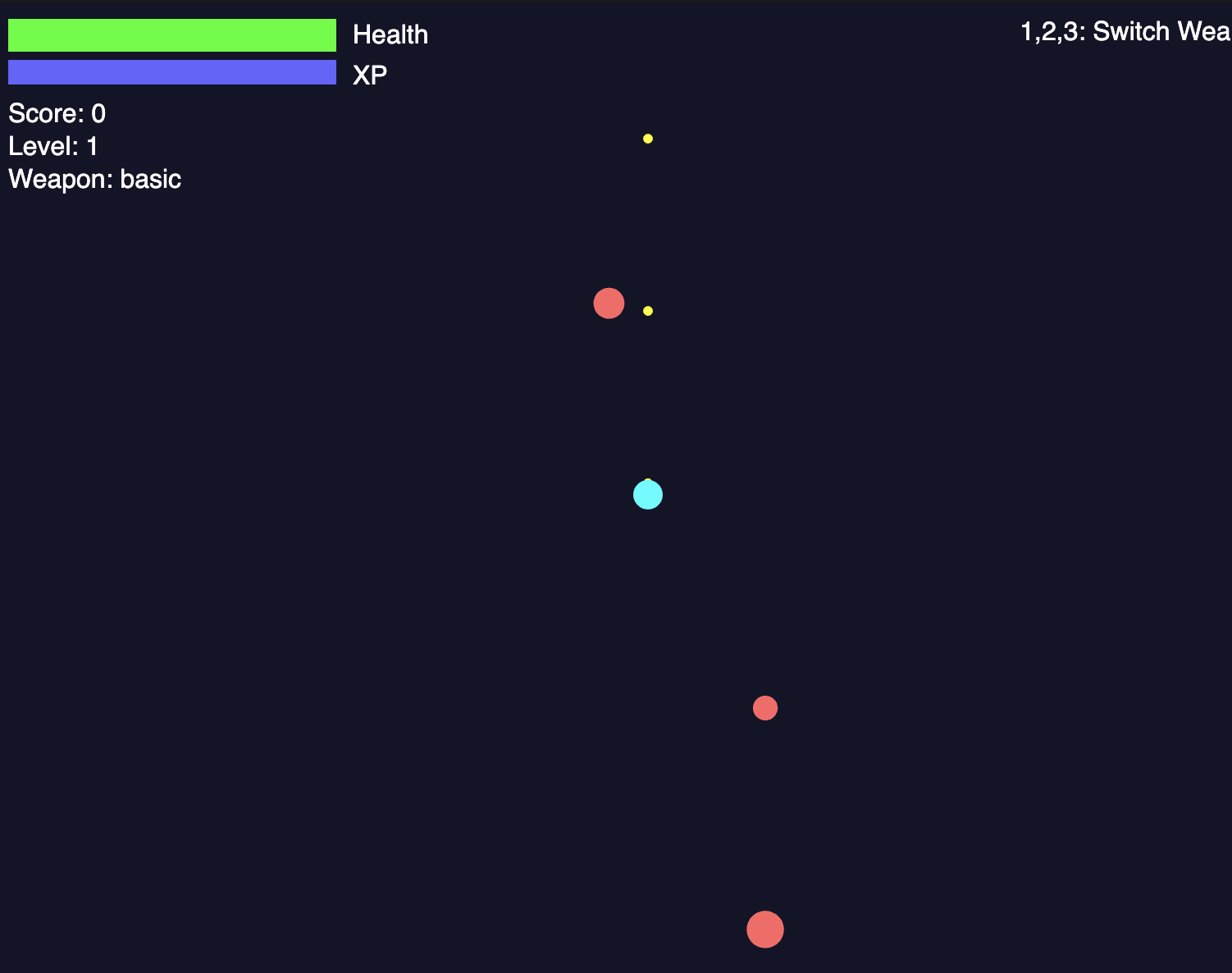
Students build a complete game with multiple weapon types, experience points, leveling up, and power-ups. They learn how complex systems work together.
What They Learn:
- Weapon Systems - Basic, Spread, and Rapid fire modes
- Trigonometry - Using math for spread shot patterns
- XP & Leveling - Progression systems that scale
- Health System - Taking multiple hits instead of instant death
- Power-ups - Collectible items with different effects
- Game Balance - Making games fun AND challenging
- UI Design - Health bars, XP progress, weapon display
Achievement: A fully playable game they can show to friends and family!
Advanced Features
For students who want more, bonus days add professional-level polish with visual effects, sound, and advanced game mechanics.
Advanced Topics:
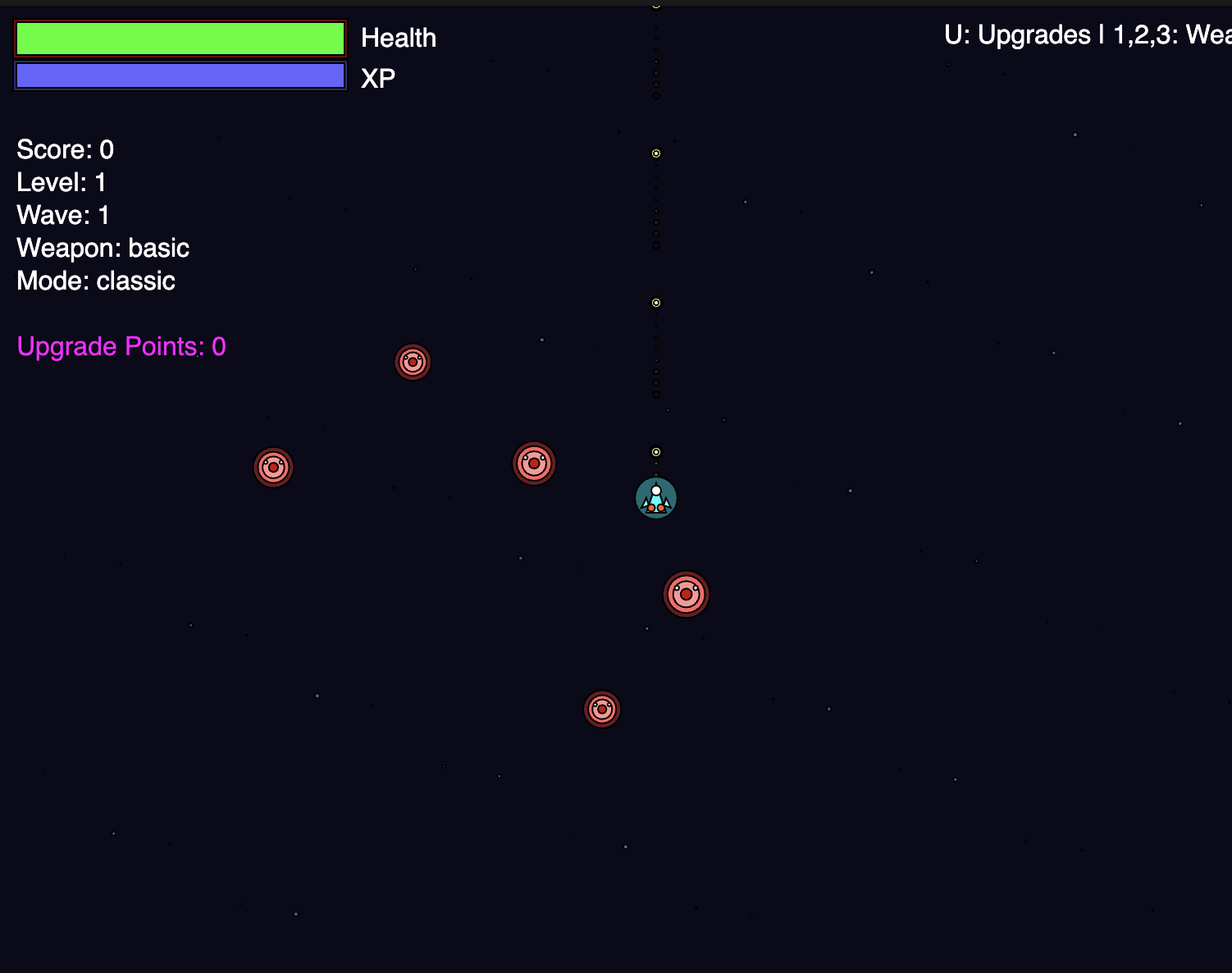
- Day 4 - Visual Effects - Particle explosions, screen shake, sprite animations
- Day 5 - Audio - Sound effects, background music, audio-reactive visuals
- Day 6 - Boss Battles - Complex AI, upgrade systems, multiple game modes
Result: Portfolio-quality game with professional polish!